WikiGacha vs. Gacha Games: The Free Pull Revolution
The digital gaming landscape is constantly evolving, with new genres and mechanics emerging to captivate players worldwide. Among the most pervasive of these is the "gacha" mechanic, a system notorious for its addictive pull and often, its aggressive monetization. However, a revolutionary contender has entered the arena, challenging the status quo and offering a refreshingly free alternative: WikiGacha. This innovative collectible card game (CCG) is not just a passing fad; it represents a significant shift in player expectations, demonstrating a clear appetite for the thrill of discovery without the financial risk.
As traditional gacha games continue to refine their loot-box systems, WikiGacha has surged in popularity by transforming the vast repository of Wikipedia into a universe of unique, tradable digital cards. It provides the same exciting "gashapon" experience – the joy of opening a pack and discovering something rare – but entirely free of charge. This article delves into the core differences between WikiGacha and its commercial counterparts, exploring why the free pull revolution is capturing global interest and redefining what a digital card game can be.
The Gacha Landscape: Monetization vs. Engagement
To truly appreciate the innovation of WikiGacha, it's essential to understand the prevailing "gacha" landscape. Originating from Japanese "gashapon" vending machines, where a coin grants a random capsule toy, this concept has been meticulously refined into a sophisticated digital economy within modern gaming. Titles like Gacha Club and countless other mobile games thrive on this model, where players spend real money to "pull" for random in-game items, characters, or resources. This creates a compelling loop of desire and instant gratification, often fueled by strategically low drop rates for highly sought-after items.
In 2026, the professional gaming sphere faces increasing pressure to provide transparency regarding these "drop rates," acknowledging the ethical concerns surrounding what many consider glorified gambling. While gacha mechanics can be incredibly engaging, the aggressive monetization strategies often lead to player burnout, financial strain, and a sense of exploitation. Players are constantly weighing the allure of a rare pull against the very real cost, often leading to a divide between those who can afford to spend and those who cannot. This financial barrier inherently limits accessibility and can diminish the sense of a shared, community-driven experience. The pursuit of revenue often overshadows genuine player engagement, a gap that WikiGacha brilliantly fills.
WikiGacha: A Fresh Take on Collectible Card Games
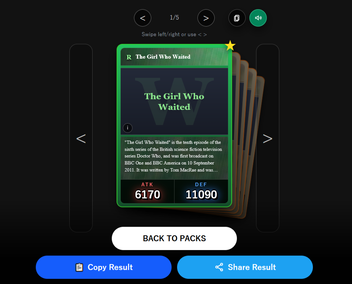
WikiGacha operates on a remarkably simple yet profoundly addictive premise: it transforms Wikipedia entries into unique digital trading cards. Imagine pulling a card for "Albert Einstein" or "The French Revolution," each with its own artwork and details derived directly from the world's largest encyclopedia. This isn't just about collecting; it's about building "battle systems" based on real-world knowledge, historical figures, scientific concepts, and cultural phenomena. The game fosters "educational gamification," making learning an exciting byproduct of play.
What truly sets WikiGacha apart is its staunch commitment to being completely free-to-play. Unlike mainstream titles that rely on aggressive microtransactions, WikiGacha provides free daily packs, allowing every player to build their collection without spending a single cent. This fan-led, non-commercial venture has experienced significant traffic surges, with developers noting the site has been "overwhelmed" by enthusiastic users. This overwhelming response is a testament to a significant, previously underserved appetite for the thrill of the "pull" – the excitement of discovery and collection – when it's decoupled from financial risk. It’s the pure joy of collecting, unadulterated by monetization schemes, proving that genuine engagement doesn't always require a price tag.
Navigating the WikiGacha Pack System: Maximizing Your Collection
The core of the WikiGacha experience, much like any other collectible card game (CCG) or trading card game (TCG), lies in opening packs to expand your collection. However, the approach here is radically different and refreshingly player-friendly. As WikiGacha Pack System: How to Get More Free Wikipedia Cards elaborates, there's no way to spend money for extra packs; every single pack is earned entirely through gameplay. This creates an equitable playing field where dedication, not disposable income, defines your success.
So, how do you get more packs in WikiGacha? The system is designed to reward consistent engagement:
- Daily Packs: The most straightforward method is simply logging in regularly. WikiGacha generously provides free daily packs, ensuring that every player has a steady stream of new cards to discover and add to their collection.
- Pack Holding Limit: There's a practical limit to how many packs you can hold at any given time, often around 10. This encourages players to open their packs frequently rather than hoarding them, ensuring a continuous flow of new discoveries and keeping the collection fresh.
- Playing and Engaging: While the exact mechanics might evolve, similar free-to-play models often reward players for completing certain actions, achieving milestones, or simply spending time within the game. Engaging with the "battle systems" �� strategically combining cards based on their Wikipedia lore – can further enhance your gameplay experience and potentially unlock more opportunities for packs.
The immense scale of WikiGacha's collection, with every Wikipedia page potentially becoming a card, means that the quest for new and rare articles is a continuous and rewarding journey. This focus on free collection building contrasts sharply with other games where the most desirable cards are locked behind paywalls, reinforcing WikiGacha's commitment to accessibility and player satisfaction.
The Broader Shift: Community, Transparency, and the Future of Gaming
The rise of WikiGacha isn't an isolated phenomenon; it's indicative of a broader shift in player sentiment and gaming trends. Recent data points to a migration of gaming communities away from centralized, ad-heavy platforms like Fandom wikis, towards more community-driven, data-integrity-focused alternatives. This movement aligns perfectly with the ethos of WikiGacha, which prioritizes accessibility, community engagement, and a non-commercial approach over profit-driven models.
Furthermore, the gaming world is seeing an increased analytical approach to gacha mechanics. Advanced simulators, such as those developed for Pokémon TCG Pocket, allow players to calculate drop rates and practice "pulls" before committing real resources in their primary games. This intelligent, strategic engagement with probabilities reflects a desire for more control and transparency from players, particularly in markets like Europe and France in 2026. WikiGacha sidesteps these concerns entirely by removing the monetary gamble, offering pure, unadulterated collecting joy.
This evolving landscape suggests a growing demand for games that respect player time and investment, offering value through creativity and accessibility rather than aggressive monetization. As WikiGacha's Free-to-Play Success: Redefining Digital Card Games points out, this innovative approach is not just a niche success story but a potential blueprint for the future of digital card games, demonstrating that a sustainable, popular model can indeed exist without relying on microtransactions.
In conclusion, WikiGacha stands as a beacon of what's possible when creativity meets a player-first philosophy. By transforming the world's knowledge into a captivating collectible card game and making it entirely free, it offers a powerful counter-narrative to the often-criticized monetization strategies of traditional gacha games. It proves that the thrill of the pull, the joy of discovery, and the satisfaction of building a unique collection can all exist without a price tag. As players continue to flock to this unofficial Wikipedia trading card game, WikiGacha is not just a game; it's a movement, a free pull revolution that could very well redefine the future of digital collecting.