WikiGacha Pack System: How to Get More Free Wikipedia Cards
The digital gaming world is constantly evolving, and amidst a landscape often dominated by aggressive monetization, a refreshingly unique collectible card game (CCG) has emerged: WikiGacha. This innovative project has captured global interest by transforming the vast repository of Wikipedia into an engaging, free-to-play trading card experience. If you're looking to dive into the world of digital card collecting without opening your wallet, understanding the WikiGacha pack system is your ultimate guide to amassing an impressive collection of Wikipedia cards.
Unlike traditional gacha games that often entangle players in complex, costly loot-box mechanics, WikiGacha champions accessibility and education. It's a fan-led, non-commercial venture that offers the thrill of discovery completely free. This article will delve into how the WikiGacha pack system works, providing practical tips on how to maximize your free pack acquisition and build your ultimate collection of encyclopedic digital trading cards.
The WikiGacha Phenomenon: A Free-to-Play Revolution
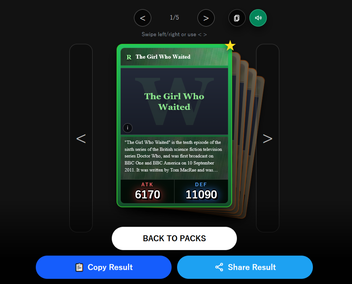
WikiGacha has rapidly become a sensation, described as "Wikipedia Gacha" for its ingenious blend of educational content and addictive gashapon-style mechanics. It leverages the world's largest encyclopedia to generate unique digital trading cards, each representing a real Wikipedia entry. This premise has proven immensely popular, leading to significant traffic surges and highlighting a genuine appetite for WikiGacha's Free-to-Play Success: Redefining Digital Card Games.
At its core, WikiGacha operates on a simple yet profound principle: everyone deserves access to knowledge and entertainment without financial barriers. The game's appeal lies in its subversion of modern gacha trends, offering the exciting "pull" experience—the joy of receiving a random, potentially rare item—without any associated cost or pressure to spend. This "educational gamification" approach repurposes encyclopedic data for entertainment, making learning an engaging, card-collecting adventure.
Decoding the WikiGacha Pack System: Your Path to New Cards
For any aspiring WikiGacha collector, understanding how to acquire packs is paramount. The system is refreshingly straightforward, designed to encourage consistent engagement rather than financial investment. There's no hidden store, no premium currency, and absolutely no way to spend money on extra packs. Every single pack you open is earned entirely for free.
The Daily Free Pack Refresh
The foundation of the WikiGacha pack system is its generous daily free pack offering. Players are granted a steady stream of new packs, ensuring that your collection can continuously grow without interruption. However, there's a crucial detail that dictates how often these new packs appear: your pack inventory limit.
At any given time, you can hold a maximum of 10 packs in your inventory. This is the golden rule of WikiGacha card acquisition. New packs, whether they are part of a daily refresh or awarded through other in-game mechanisms (though currently, the primary method is simply waiting for them to appear), will only populate your inventory if you have space below this 10-pack threshold. This mechanic cleverly encourages players to actively engage with the game, opening their packs regularly.
Maximizing Your Pack Potential
Given the 10-pack inventory limit, the strategy for getting more WikiGacha packs is incredibly simple yet vital: open them all!
If you have 10 packs in your inventory, you will not receive any new ones. To ensure you continuously receive your daily free packs and keep your collection expanding, make it a habit to open your existing packs as soon as possible. The more space you create, the more often new packs will become available for you to claim. This straightforward approach means that active players who consistently open their packs will always have a fresh supply of Wikipedia cards to discover.
Think of it like a never-ending gashapon machine that only costs your time. Each "pull" brings you a new Wikipedia entry, potentially a rare one, adding to the vast collection that represents every page on the world's largest encyclopedia. It's an incentive to log in daily, enjoy the discovery process, and watch your card binder fill up.
Strategies for Building Your Ultimate Wikipedia Card Collection
Once you've mastered the art of acquiring packs by simply opening them, the real fun begins: building your collection. With every Wikipedia page a potential card, the scope of WikiGacha is virtually limitless. The game isn't just about collecting; it's about discovery, knowledge, and creating unique "battle systems" based on real-world information and historical figures.
The Educational Advantage
One of the most compelling aspects of WikiGacha is its inherent educational value. As you open packs, you're not just getting random digital items; you're receiving actual Wikipedia articles. This encourages players to click on the cards, read the associated articles, and expand their knowledge on diverse subjects, from ancient history to modern science, obscure phenomena to famous personalities. Players often find themselves stumbling upon fascinating topics they never knew existed, simply by collecting their free Wikipedia cards.
To truly build an "ultimate" collection, consider these approaches:
- Broaden Your Horizons: Don't just focus on familiar topics. Embrace the randomness of the pack system to discover new areas of knowledge.
- Curate Thematic Collections: As your collection grows, you might start identifying themes. Perhaps you'll aim to collect all cards related to a specific historical period, scientific field, or geographical region.
- Seek Out Rarity and Significance: While every card is a piece of Wikipedia, some articles are inherently more significant or historically impactful. Hunting for these "rare" or "epic" articles adds another layer of excitement to the collecting process.
- Share Your Discoveries: WikiGacha thrives on community engagement. Share your most interesting or surprising card pulls with friends and online communities. This not only enhances the social aspect but can also lead to discussions and further learning.
Why WikiGacha's Free Model Resonates with Players
The success of WikiGacha is more than just a passing trend; it signifies a broader shift in player expectations and preferences. In an era where many gaming communities are migrating away from traditional, ad-heavy platforms, WikiGacha's commitment to a completely free, community-driven experience stands out. This ethos aligns with a growing desire for platforms that prioritize accessibility and data integrity over aggressive commercial gain. This bold approach to digital collecting has redefined expectations, as explored further in WikiGacha's Free-to-Play Success: Redefining Digital Card Games.
The game stands as a stark contrast to many mainstream titles, a topic we delve into in more detail with WikiGacha vs. Gacha Games: The Free Pull Revolution. Players are increasingly seeking the excitement of gacha mechanics—the "thrill of the pull"—without the financial risks and ethical concerns often associated with the genre. WikiGacha provides exactly that: pure, unadulterated collecting fun, where the only investment is your time and curiosity.
This model has not only garnered immense popularity but has also demonstrated the power of "educational gamification." By transforming encyclopedic content into engaging digital collectibles, WikiGacha proves that learning can be both fun and free, challenging the notion that entertainment must come at a monetary cost.
Conclusion
The WikiGacha Pack System is a testament to the idea that compelling gaming experiences don't need to be tied to microtransactions. By offering unlimited, completely free Wikipedia cards through a simple, elegant pack system, WikiGacha has created a unique space in the digital collectible card game genre. The key to getting more free WikiGacha packs is delightfully straightforward: keep opening the ones you have. This simple action ensures a continuous flow of new discoveries, enabling you to build an expansive, diverse, and knowledge-rich collection of Wikipedia cards. Dive in, open those packs, and embark on an endless journey of learning and collecting without ever reaching for your wallet.